
Backflow prevention devices are crucial for maintaining the integrity of our water supply systems. As experts in residential plumbing services, we often get asked about the necessity and cost of these devices in Sydney.
Backflow occurs when there’s an unplanned reversal of water flow in the plumbing system, potentially contaminating the clean water supply. A backflow prevention device is designed to prevent this from happening.
In this article, we’ll explore whether you need a backflow prevention device, the costs associated with installing and maintaining one, and what you can expect from our Plumber Sydney services.
Key Takeaways
- Understanding the importance of backflow prevention devices for your home’s water supply.
- Determining whether you need a backflow prevention device based on your plumbing system.
- Learning about the costs associated with backflow prevention devices.
- Exploring the role of a professional plumber in installing and maintaining these devices.
- Discovering how to ensure your water supply remains safe and clean.
What is a Backflow Prevention Device?
Backflow prevention devices are essential components of modern plumbing systems, and we’re here to explain why. These devices are designed to protect our water supply from contamination by preventing backflow, which occurs when there’s a reversal in the flow of water in the plumbing system.
Definition and Purpose
A backflow prevention device is a mechanical or non-mechanical valve that is installed in the plumbing system to prevent backflow. Its primary purpose is to ensure that water flows in one direction, from the clean water source to the household or business, without allowing contaminated water to flow back into the clean water supply. Licensed plumbers, such as those from emergency plumbing services, are trained to install these devices correctly to ensure they function as intended.
How It Works
The backflow prevention device works by using check valves or other mechanisms to prevent water from flowing backwards into the clean water supply. When water flows in the correct direction, the device allows it to pass through. However, if the water starts to flow in the reverse direction, the device automatically shuts off, preventing contaminated water from entering the clean water supply. Regular testing and maintenance by a licensed plumber are crucial to ensure the device is working correctly.
By understanding how backflow prevention devices work and their importance in our plumbing systems, we can take steps to protect our water supply and ensure compliance with local regulations. It’s a critical aspect of maintaining a safe and healthy environment in our homes and businesses.
Why is Backflow Prevention Important?
Sydney plumbing experts stress that backflow prevention is vital for public health. Backflow prevention devices are crucial in safeguarding our water supply, and their importance cannot be overstated.
Protecting Your Water Supply
Backflow prevention is essential for protecting our water supply from contamination. When backflow occurs, it can introduce pollutants and contaminants into the clean water supply, posing serious health risks. A local plumbing company can install backflow prevention devices to ensure that our drinking water remains safe.
These devices prevent the reverse flow of water, thereby safeguarding against potential health hazards. By installing backflow prevention devices, homeowners can have peace of mind knowing that their water supply is protected.
Compliance with Local Regulations
In addition to protecting the water supply, backflow prevention is also important for complying with local regulations. Sydney plumbing experts emphasize that compliance with these regulations is not only legally required but also crucial for maintaining public health standards.
Failure to comply with backflow prevention regulations can result in significant fines and penalties. Therefore, it is essential to work with a reputable Sydney plumbing experts to ensure that your backflow prevention device is installed and tested according to local laws and regulations.
By understanding the importance of backflow prevention, homeowners can take proactive steps to protect their water supply and comply with local regulations, ensuring a safer and healthier environment for everyone.
Are Backflow Prevention Devices Required in Sydney?
Backflow prevention devices are a crucial component in Sydney’s plumbing infrastructure, but are they always required? The answer lies in understanding the local laws and regulations that govern their use.
Local Laws and Regulations
In Sydney, the installation of backflow prevention devices is mandated by local regulations to protect the water supply from contamination. The NSW Plumbing Code of Practice outlines the requirements for backflow prevention, emphasizing the need for devices to be installed in properties where there is a risk of backflow occurring. This includes properties with certain types of plumbing fixtures or where hazardous substances are used.
Homeowners are advised to consult with the best plumbing services in Sydney to assess their property’s compliance with these regulations. Licensed plumbers can provide guidance on whether a backflow prevention device is required and recommend the most suitable type for the property.
Exceptions to the Rule
While backflow prevention devices are generally required in certain situations, there are exceptions. For instance, properties that do not pose a significant risk of backflow may not require the installation of such devices. However, determining these exceptions requires a thorough understanding of the property’s plumbing system and local regulations.
For homeowners looking to comply with the regulations without incurring excessive costs, affordable plumbing solutions are available. Many plumbing services in Sydney offer competitive pricing for the installation of backflow prevention devices, making it more accessible for homeowners to ensure their property is compliant.
To summarize, while backflow prevention devices are not universally required in Sydney, they are mandatory in many cases to protect the water supply. Homeowners should consult with licensed plumbers to determine the necessity of these devices for their property and explore affordable options for installation.
Types of Backflow Prevention Devices
Understanding the different types of backflow prevention devices is essential for homeowners in Sydney. As a reliable plumbing contractor, we can guide you through the various options available, ensuring you select the most appropriate device for your needs.
There are several types of backflow prevention devices, each designed for specific applications and levels of risk. The most common types include the Reduced Pressure Zone (RPZ) Assembly, Double Check Valve Assembly, and Pressure Vacuum Breaker (PVB).
Reduced Pressure Zone (RPZ) Assembly
The RPZ Assembly is considered one of the most reliable forms of backflow prevention. It is typically used in high-risk applications where the potential for contamination is high. The RPZ Assembly works by creating a zone of reduced pressure between two check valves, preventing backflow.
Key advantages of RPZ Assembly:
- High level of protection against backflow
- Suitable for high-risk applications
- Regular testing is possible
Double Check Valve Assembly
The Double Check Valve Assembly is another commonly used backflow prevention device. It consists of two check valves that prevent backflow, making it suitable for lower-risk applications. While not as secure as an RPZ Assembly, it is still effective for many residential and commercial uses.
Benefits of Double Check Valve Assembly:
- Effective for lower-risk applications
- Less complex than RPZ Assembly
- Cost-effective solution
Pressure Vacuum Breaker (PVB)
The Pressure Vacuum Breaker is designed to prevent backflow by using a float valve that opens to allow air into the system, thus breaking the vacuum. PVBs are typically used in irrigation systems and other applications where a high level of protection is not required.
Advantages of Pressure Vacuum Breaker:
- Effective in preventing backflow in specific applications
- Simple design
- Cost-effective
As a Plumber Sydney, we recommend consulting with a professional to determine the most suitable backflow prevention device for your specific needs. The choice of device depends on the level of risk associated with your plumbing system and local regulations.
Benefits of Installing a Backflow Prevention Device
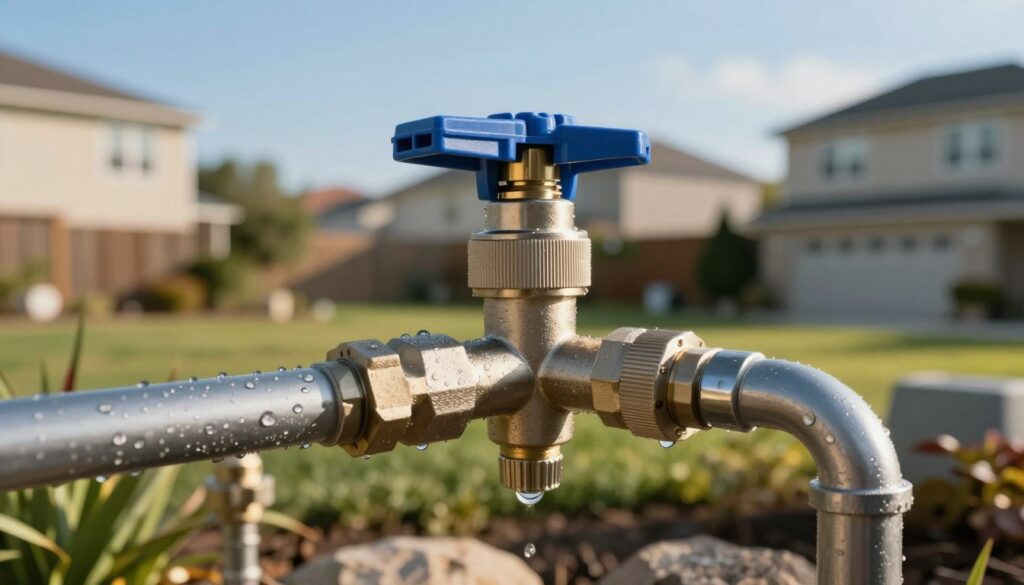
The installation of a backflow prevention device can significantly enhance the safety and quality of your residential plumbing system. By preventing backflow, these devices protect your water supply from contamination, ensuring a safe and healthy environment for you and your family.
Improved Water Quality
One of the primary benefits of a backflow prevention device is the improvement in water quality. By preventing the reverse flow of contaminated water into your potable water supply, these devices safeguard against a range of potential health hazards. This is particularly important in residential areas where cross-connections between potable and non-potable water sources can occur.
Key advantages of improved water quality include:
- Protection against chemical contamination
- Prevention of bacterial and viral contaminants
- Reduced risk of waterborne diseases
By ensuring that your water supply remains uncontaminated, backflow prevention devices play a crucial role in maintaining public health. Residential plumbing services can help install and maintain these devices, ensuring they function correctly.
Peace of Mind for Homeowners
In addition to improving water quality, backflow prevention devices also offer homeowners peace of mind. Knowing that your plumbing system is protected against backflow can reduce anxiety and stress related to potential water contamination. In the event of an emergency, an emergency plumber can quickly respond to and resolve any issues related to backflow prevention.
The benefits of peace of mind include:
- Reduced risk of costly repairs due to backflow damage
- Increased confidence in the safety of your water supply
- Compliance with local regulations regarding backflow prevention
By installing a backflow prevention device, homeowners can enjoy a safer, healthier living environment. It’s essential to work with qualified residential plumbing services to ensure the device is installed and maintained correctly.
Factors Influencing the Cost of Installation
Understanding the factors that influence the cost of backflow prevention device installation can help homeowners make informed decisions. The total cost is not just about the device itself, but also includes other critical elements.
Type of Device
The type of backflow prevention device required is a significant factor in determining the overall cost. Different devices offer varying levels of protection and complexity, which affect their pricing. For instance, a Reduced Pressure Zone (RPZ) Assembly is generally more expensive than a Double Check Valve Assembly due to its advanced functionality and higher precision requirements.
According to Sydney plumbing experts, the cost can vary widely depending on the device’s specifications and brand.
Complexity of Installation
The complexity of the installation process is another crucial factor that influences the cost. Installations that require additional plumbing modifications or are located in hard-to-reach areas can increase labor costs. Licensed plumbers assess the site conditions to determine the best approach, which may involve extra work such as relocating existing pipes or installing additional valves.
“The complexity of the job can significantly impact the final bill. It’s essential to get a detailed quote from your plumber to understand what’s included.”
Location and Accessibility
Location and accessibility of the installation site also play a significant role in determining the cost. Devices installed in easily accessible locations, such as near the water meter, may be less expensive to install compared to those requiring installation in confined or hard-to-reach spaces.
- Accessibility affects labor time and potentially requires specialized equipment.
- Location can impact the type of device suitable for the installation.
- Local regulations may dictate specific requirements based on the property’s location.
By understanding these factors, homeowners can better anticipate the costs associated with installing a backflow prevention device. It’s crucial to consult with licensed plumbers and Sydney plumbing experts to get an accurate quote tailored to your specific needs.
Average Costs for Backflow Prevention Devices in Sydney
The cost of backflow prevention devices in Sydney can vary significantly based on several factors, including the type of device and installation complexity. When planning to install a backflow prevention device, it’s essential to understand these costs to budget accordingly.
Estimated Prices for Different Devices
Different types of backflow prevention devices have varying costs. For instance, a Reduced Pressure Zone (RPZ) assembly is generally more expensive than a Double Check Valve Assembly. According to local plumbing experts, the cost of an RPZ assembly can range from $500 to $1,500, while a Double Check Valve Assembly may cost between $200 to $800.
It’s crucial to consult with a local plumbing company to determine the most suitable device for your specific needs and to get an accurate quote.
Cost Breakdown: Parts and Labor
The total cost of installing a backflow prevention device includes both the cost of the device itself and the labor costs. Labor costs can vary depending on the complexity of the installation and the rates charged by the best plumbing services in Sydney.
- Device cost: This includes the price of the backflow prevention device, which can range widely depending on the type and quality.
- Labor cost: This can vary based on the installer’s rates and the complexity of the job.
- Additional costs: There may be additional expenses for testing and certification to ensure compliance with local regulations.
To get a comprehensive understanding of the total costs involved, it’s advisable to request a detailed quote from a reputable plumbing service provider.
Finding a Qualified Plumber in Sydney
To ensure your backflow prevention device is installed correctly, it’s vital to find a qualified and experienced plumber in Sydney. The process involves more than just picking a name from a directory; it requires diligence and a clear understanding of what makes a plumber suitable for the task.
When searching for a plumber, there are several factors to consider. First and foremost, it’s crucial to hire a licensed plumber. A licensed plumber has undergone the necessary training and has the required expertise to handle backflow prevention device installations.
Tips for Hiring a Licensed Plumber
Here are some tips to help you hire a licensed plumber:
- Check if the plumber is licensed by the relevant NSW authorities.
- Look for plumbers with experience in backflow prevention device installations.
- Verify their insurance coverage to protect against any potential damages.
Importance of Experience and Reviews
Experience is a key factor when it comes to plumbing services. An experienced plumber will not only install your device correctly but also provide valuable advice on maintenance and potential issues. Additionally, customer reviews can offer insights into a plumber’s reliability and quality of work. Look for plumbers with positive reviews and ask for references if necessary.
By focusing on these aspects, you can find a reliable plumbing contractor who offers affordable plumbing solutions without compromising on quality. This ensures that your backflow prevention device is installed efficiently and effectively, providing you with peace of mind and compliance with local regulations.
Maintaining Your Backflow Prevention Device
Maintaining your backflow prevention device is crucial for the safety and quality of your water supply. As a trusted Plumber Sydney, we emphasize the importance of regular maintenance to ensure your device functions correctly and efficiently.
Regular Inspections and Testing
Regular inspections and testing are vital to ensure your backflow prevention device is working as intended. We recommend having your device inspected and tested at least once a year by a certified plumber. During these inspections, our team will check for any signs of wear, corrosion, or damage that could affect the device’s performance.
Key aspects of regular inspections include:
- Checking the device’s valves and seals for any signs of leakage or damage.
- Testing the device’s operation to ensure it’s functioning correctly.
- Inspecting the device’s connections and fittings for any signs of wear or corrosion.
Signs That Maintenance is Needed
Being aware of the signs that indicate your backflow prevention device needs maintenance can help prevent more serious issues. Some common signs include:
- Leaks or water damage around the device.
- Unusual noises coming from the device.
- Reduced water pressure or flow rate.
If you notice any of these signs, it’s essential to contact a professional Plumber Sydney immediately to assess and repair your device. Our team provides expert residential plumbing services, including maintenance and repair of backflow prevention devices.
By maintaining your backflow prevention device, you not only ensure the safety of your water supply but also comply with local regulations, avoiding potential fines or penalties.
How to Prepare for Installation
Before installing a backflow prevention device, it’s essential to understand the preparation required. This preparation ensures a smooth and efficient installation process, saving time and potential additional costs. We will guide you through assessing your home’s plumbing system and gathering the necessary permits.
Assessing Your Home’s Plumbing System
Assessing your home’s plumbing system is a critical step in preparing for the installation of a backflow prevention device. This assessment involves identifying the type of plumbing system you have, its age, and any existing issues that could affect the installation. Licensed plumbers can help evaluate your system and recommend the most suitable backflow prevention device.
During the assessment, your plumber will check for factors such as water pressure, pipe material, and potential cross-connections. This information is vital for determining the correct specifications for your backflow prevention device.
Gathering Necessary Permits
Gathering the necessary permits is another crucial step in the preparation process. In Sydney, local regulations require permits for the installation of backflow prevention devices. Your emergency plumber or a licensed plumber can guide you through the permitting process, ensuring that all necessary documents are submitted.
It’s essential to comply with local regulations to avoid fines and ensure that your backflow prevention device is installed correctly. Your plumber will help you understand the specific requirements for your area and facilitate the permitting process.
By assessing your home’s plumbing system and gathering the necessary permits, you can ensure a smooth and compliant installation of your backflow prevention device. This preparation not only saves time but also helps in avoiding potential issues down the line.
Frequently Asked Questions about Backflow Prevention in Sydney
As we conclude our comprehensive guide on backflow prevention devices in Sydney, we address some common questions that homeowners and businesses often have. Understanding the maintenance and compliance requirements is crucial for ensuring the effectiveness of these devices.
Testing Frequency for Backflow Prevention Devices
Sydney plumbing experts recommend testing your backflow prevention device annually. Regular testing ensures that the device is functioning correctly and prevents potential contamination of your water supply. It’s essential to hire best plumbing services for this task, as they have the necessary expertise and equipment.
Consequences of Non-Compliance
Failure to comply with backflow prevention regulations can result in significant fines and penalties. Moreover, non-compliance puts your water supply at risk of contamination, which can have serious health implications. By engaging with licensed Sydney plumbing experts, you can ensure that your device is installed, tested, and maintained according to local regulations.